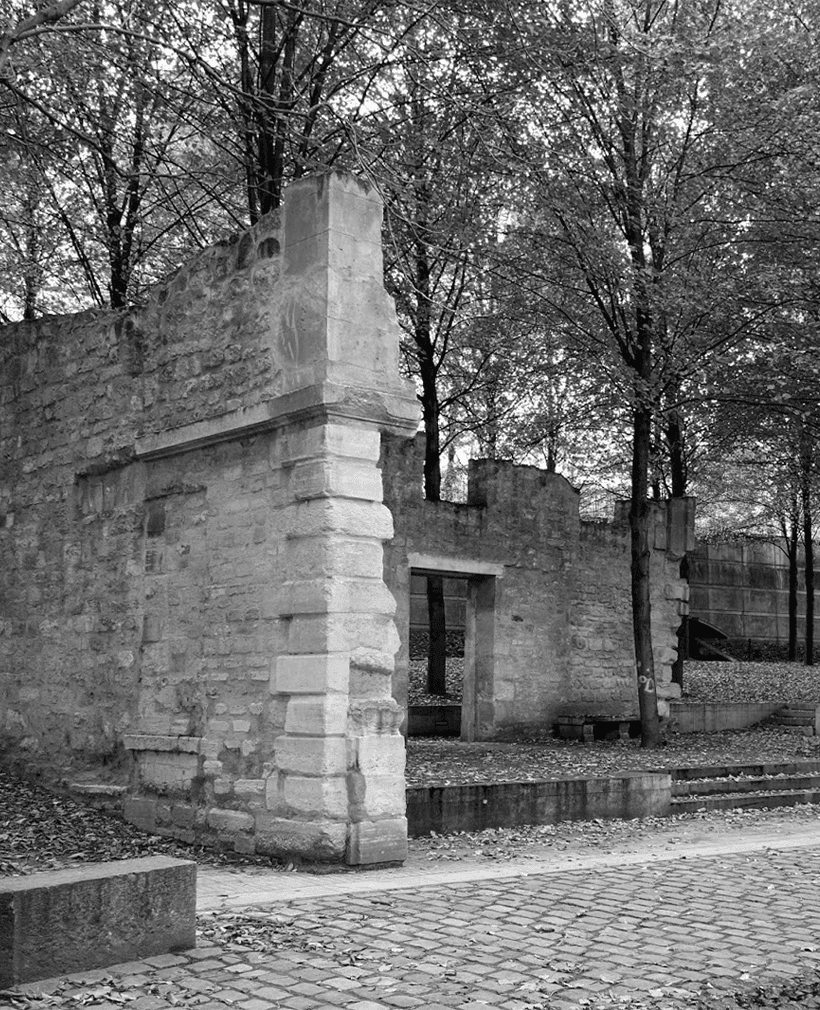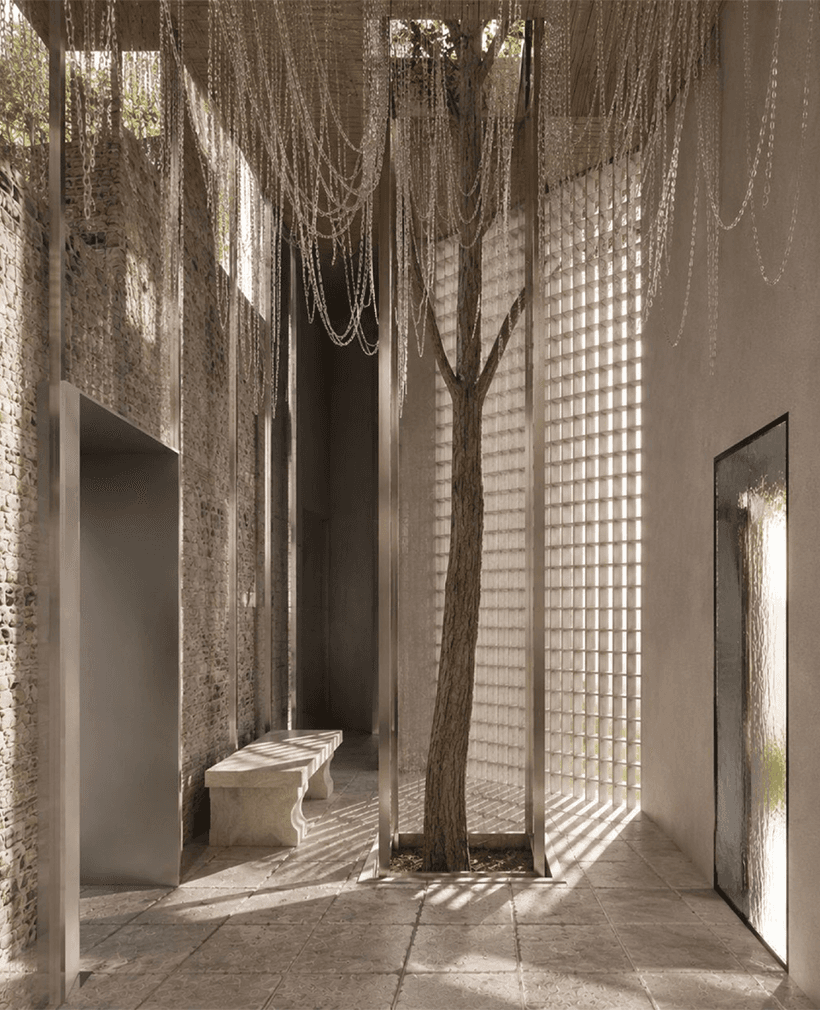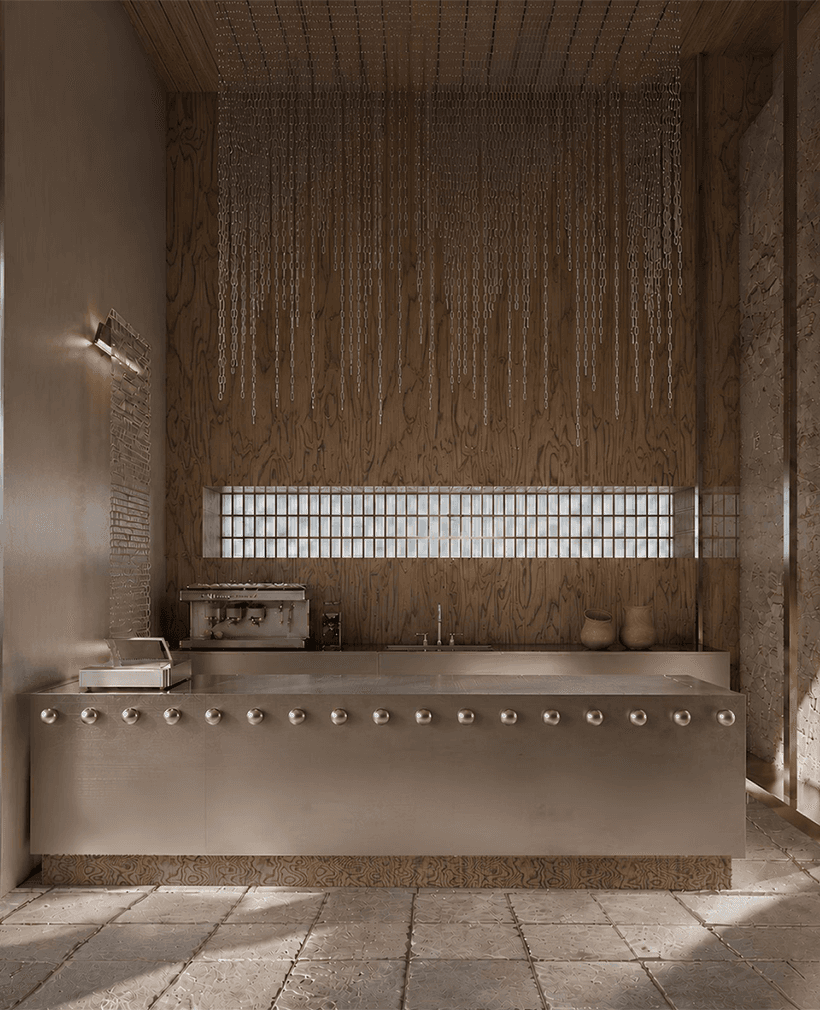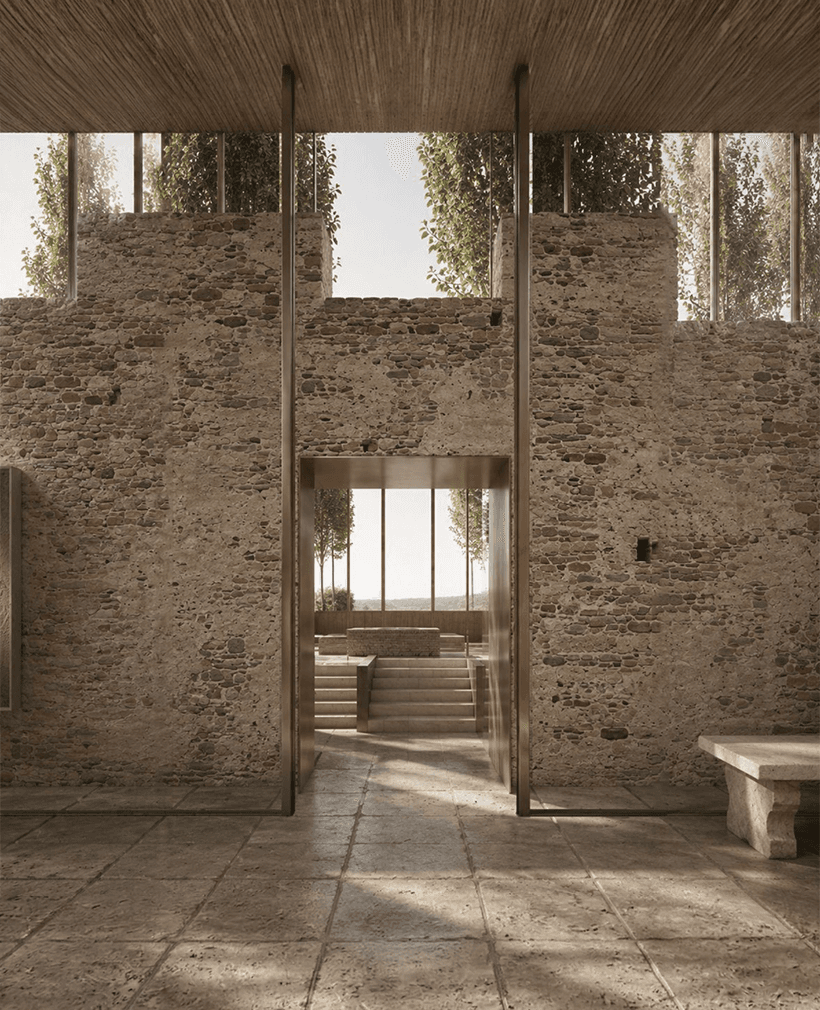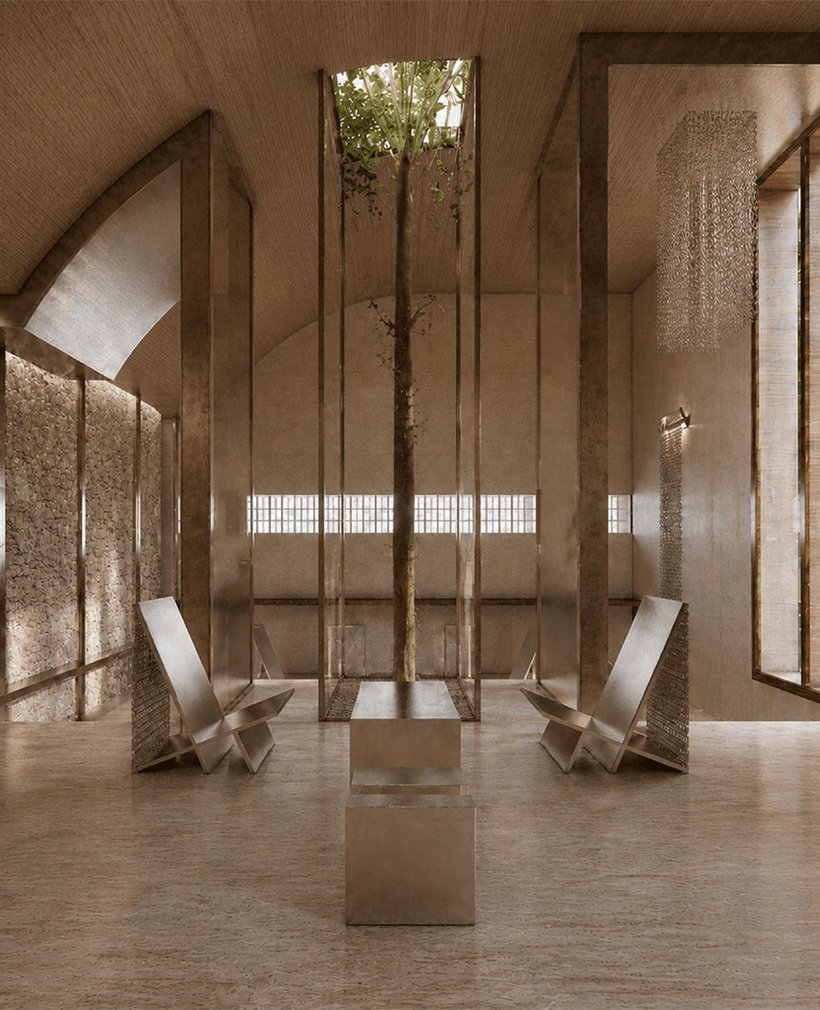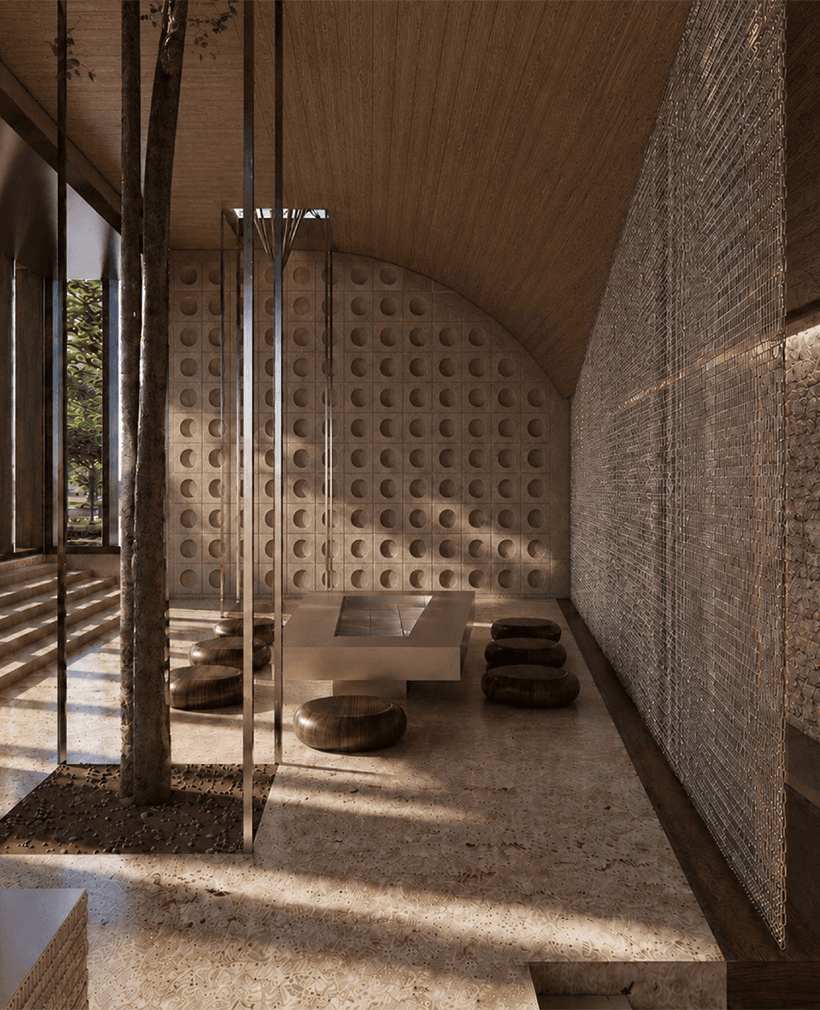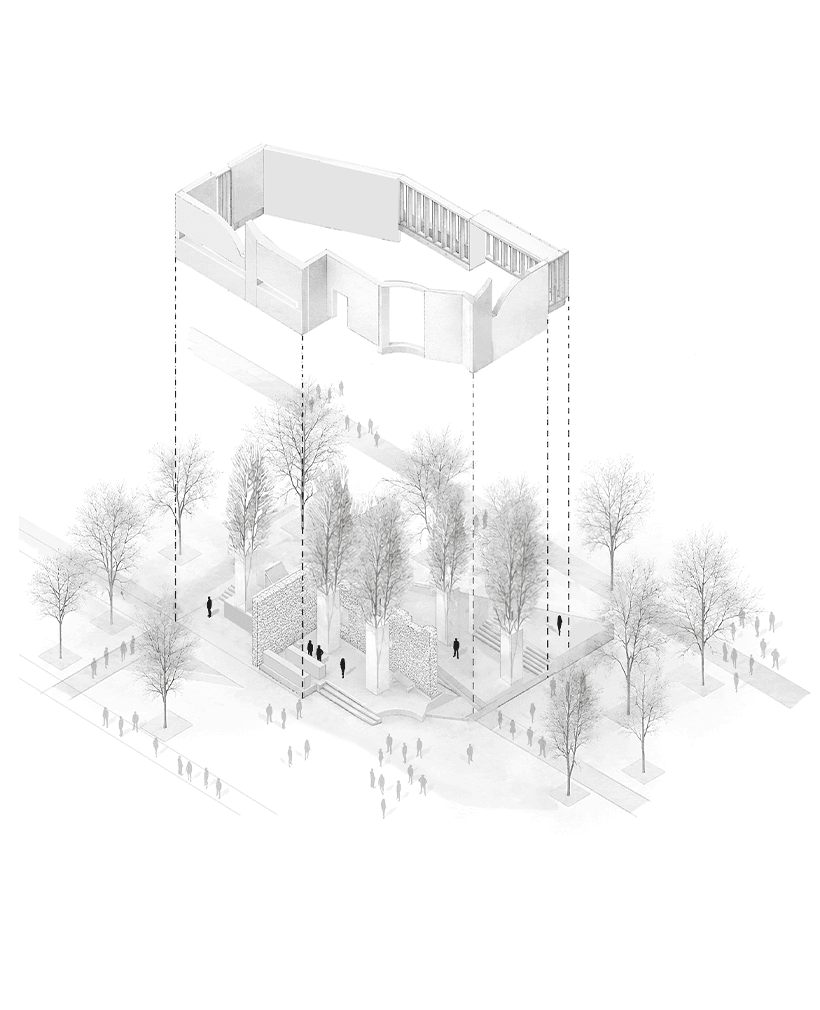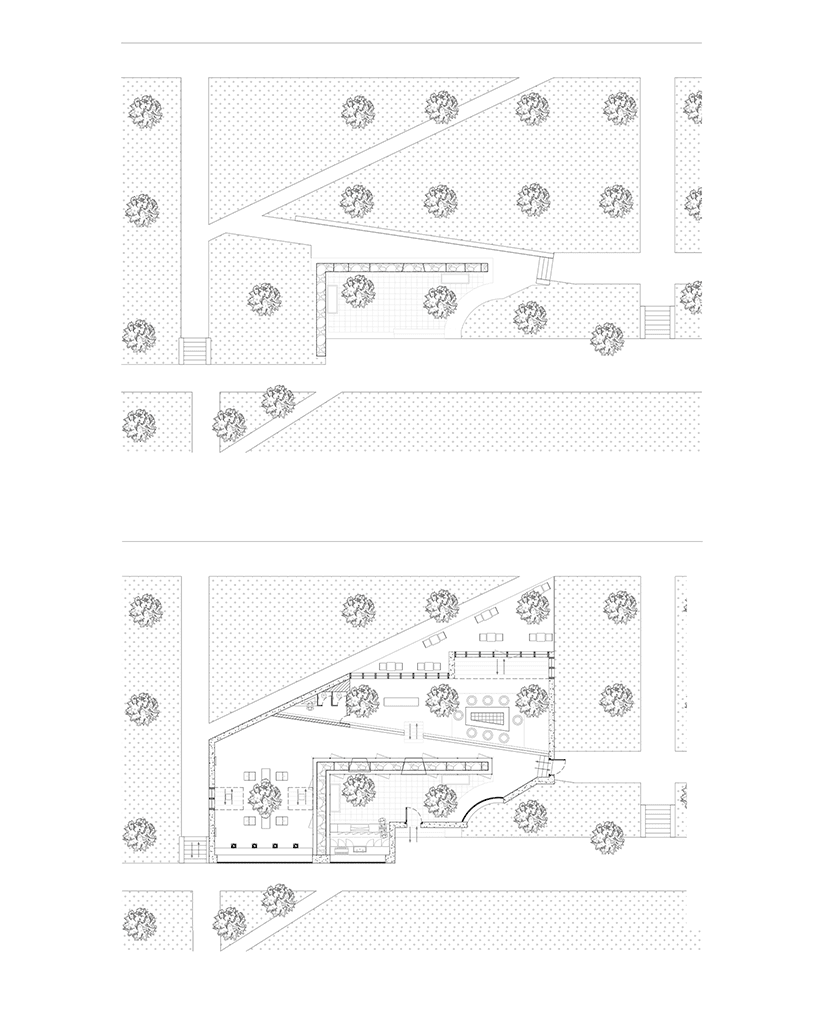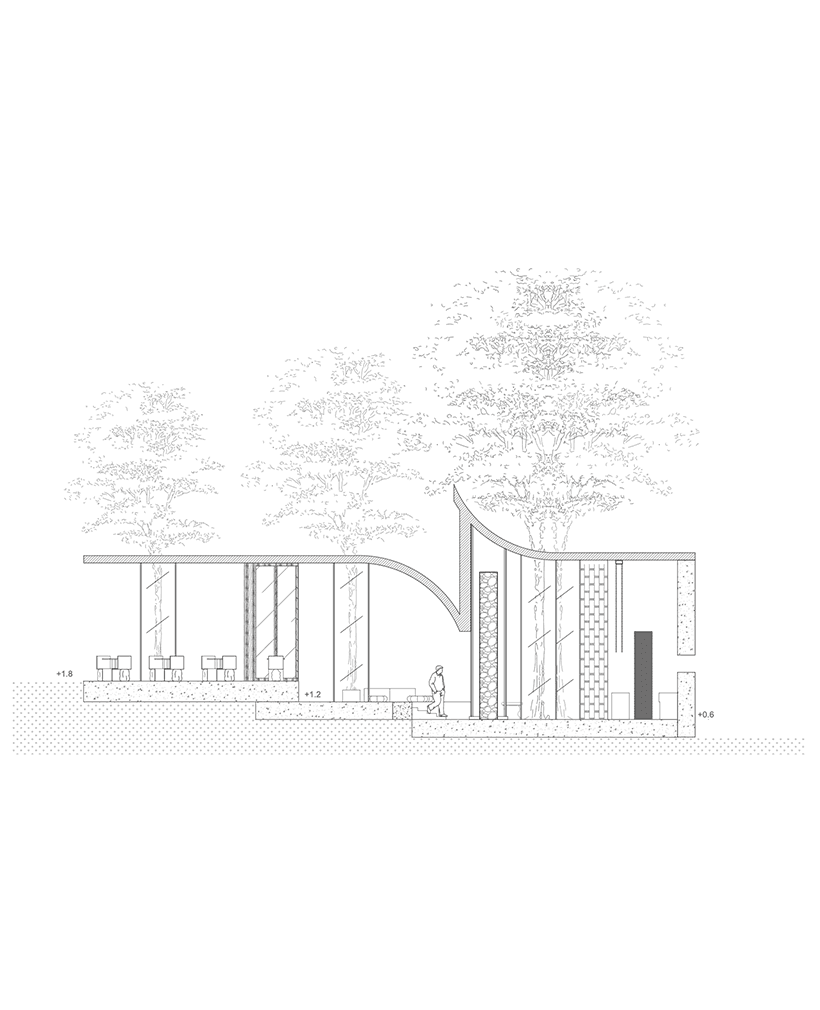
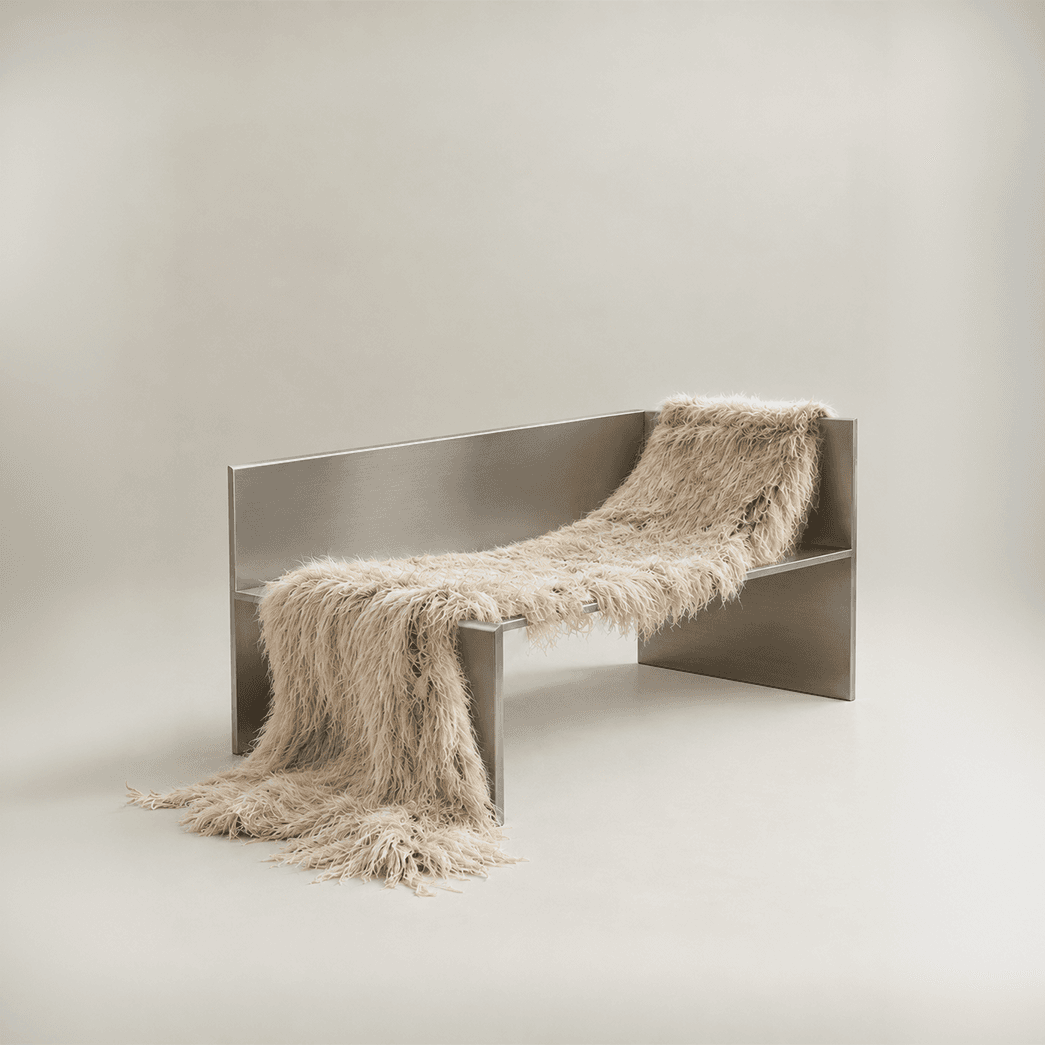
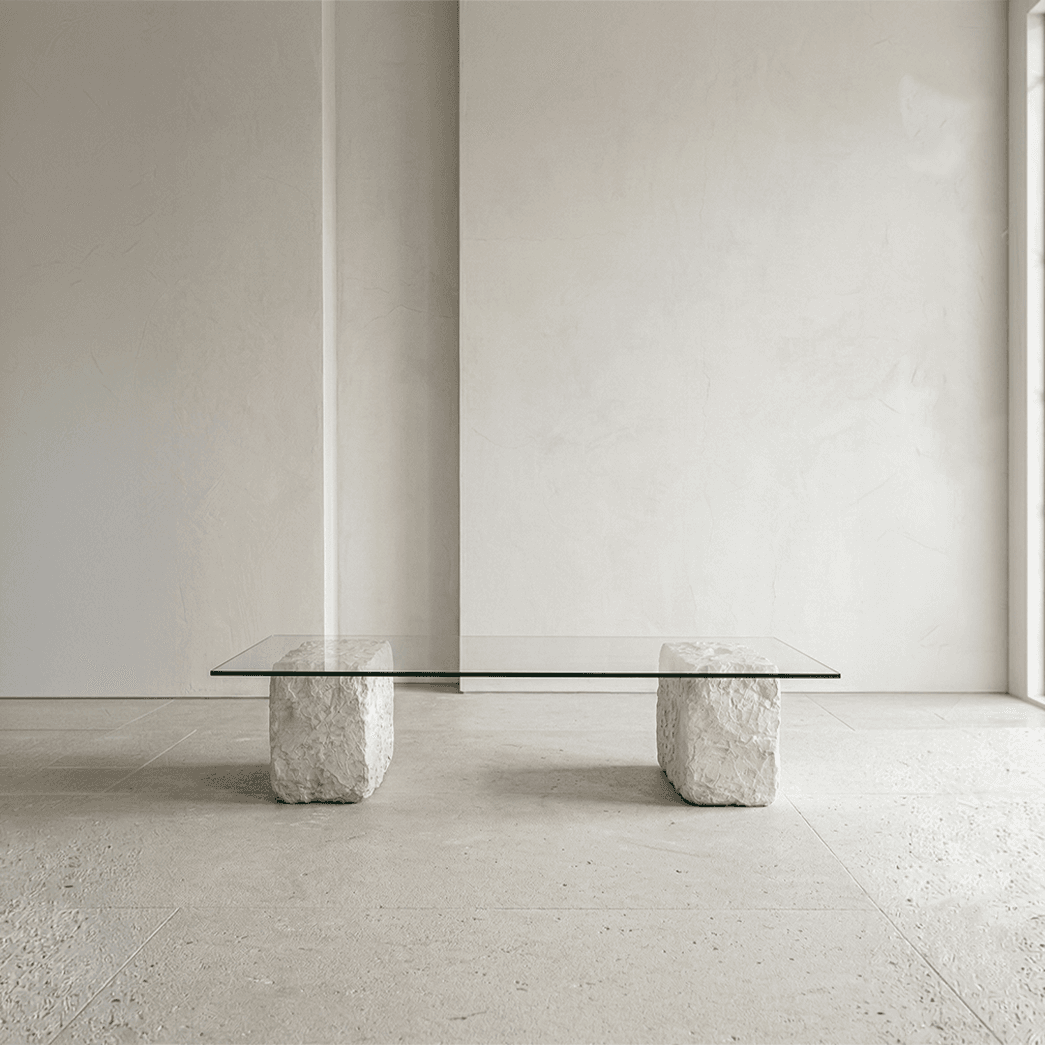
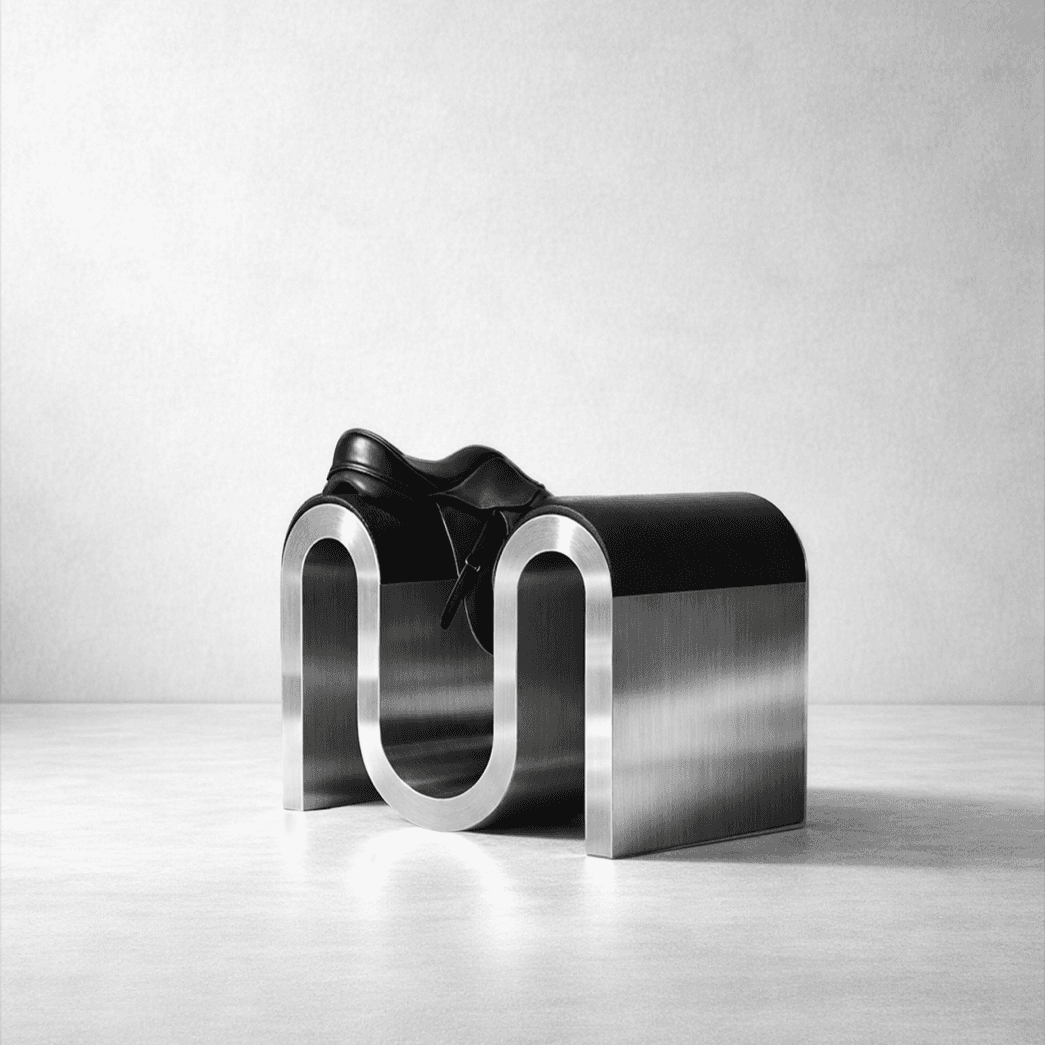
Conceived as a space of resistance to the acceleration of the contemporary world, the project explores architecture's capacity to slow the body and modify our perception of time. Installed within a preserved ruin, the place does not seek to erase what exists, but to draw on its material, its silence and its traces to create an experience where one accepts taking time.
The café constitutes the only truly productive programme of the project. But here, producing does not mean going faster. The counter becomes instead a pretext for waiting, pausing and observing. Drinking a coffee, crossing a space or simply sitting become actions slow enough to allow the visitor to become aware of their environment.
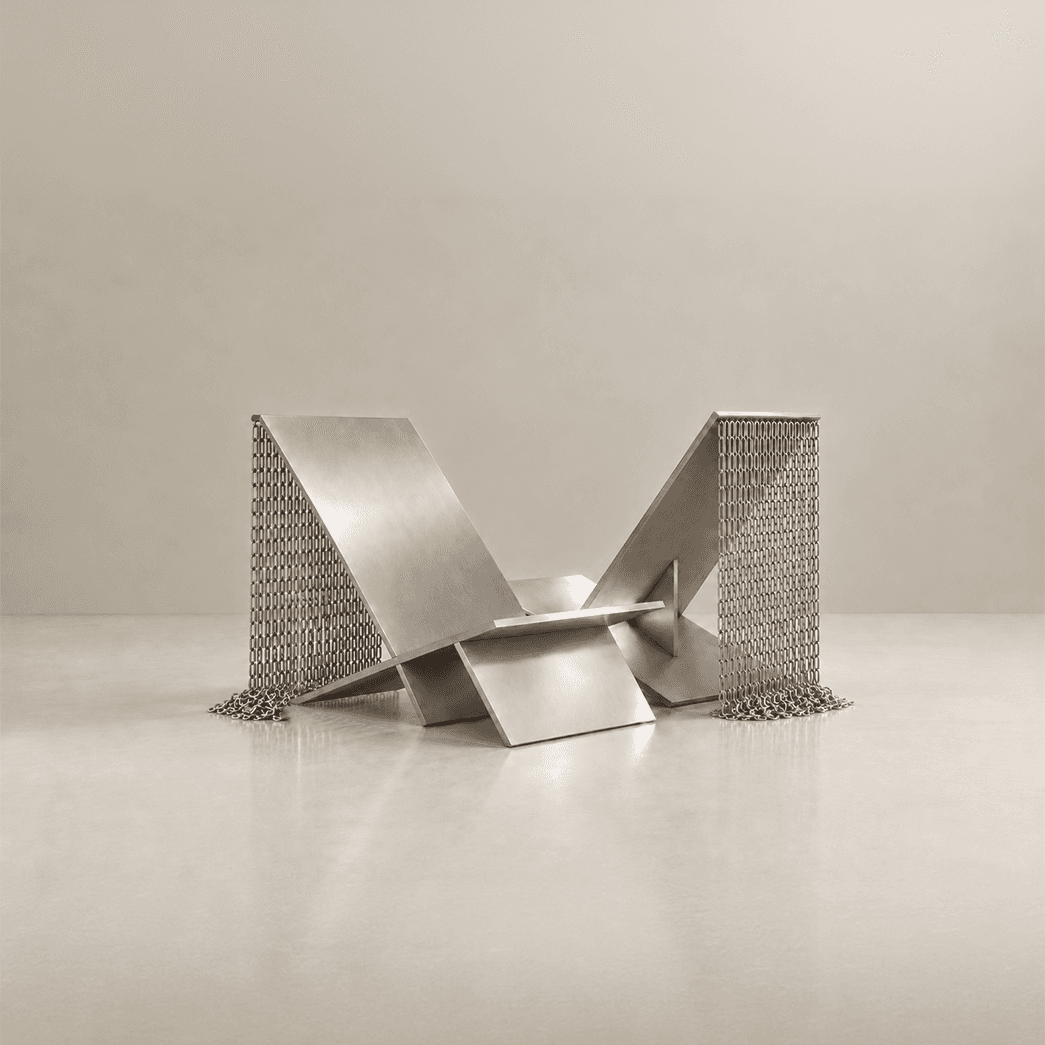
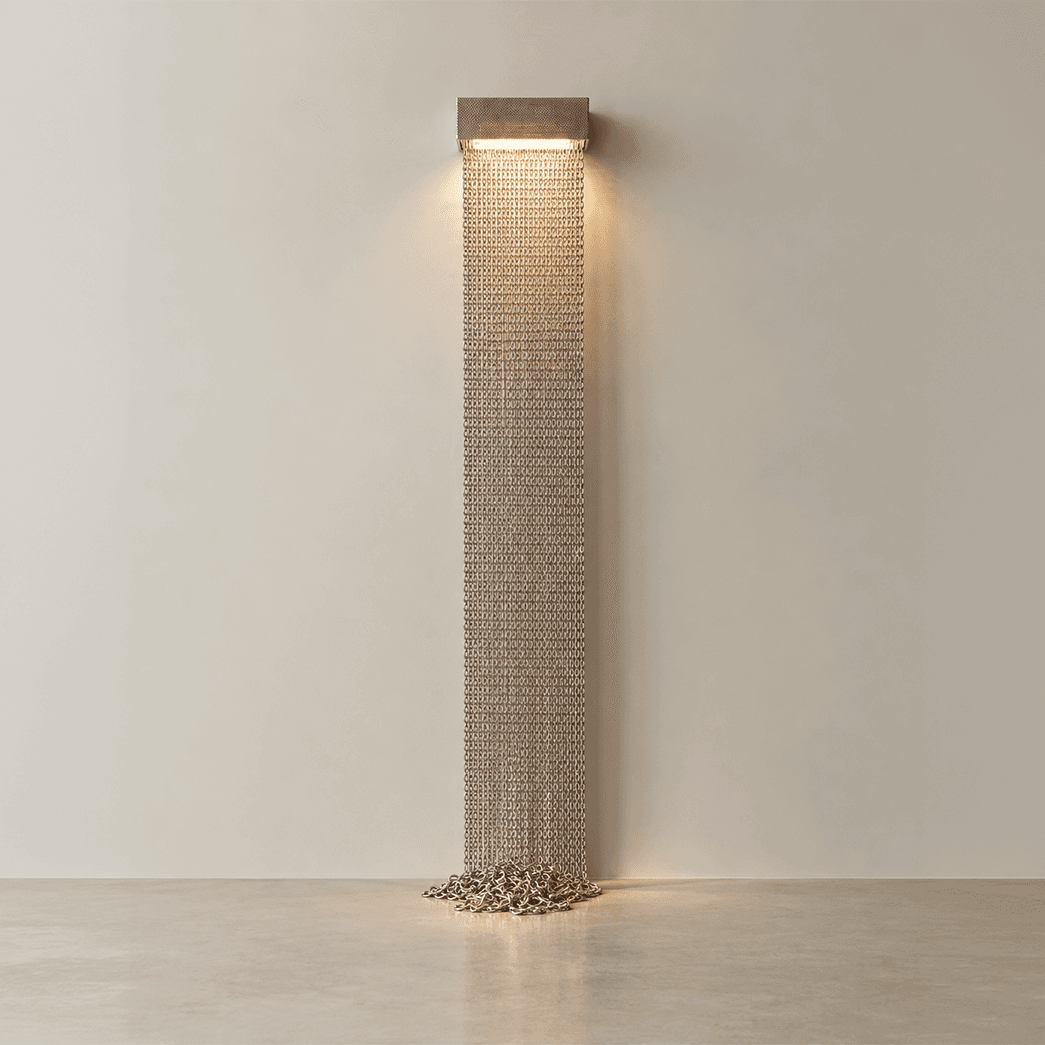
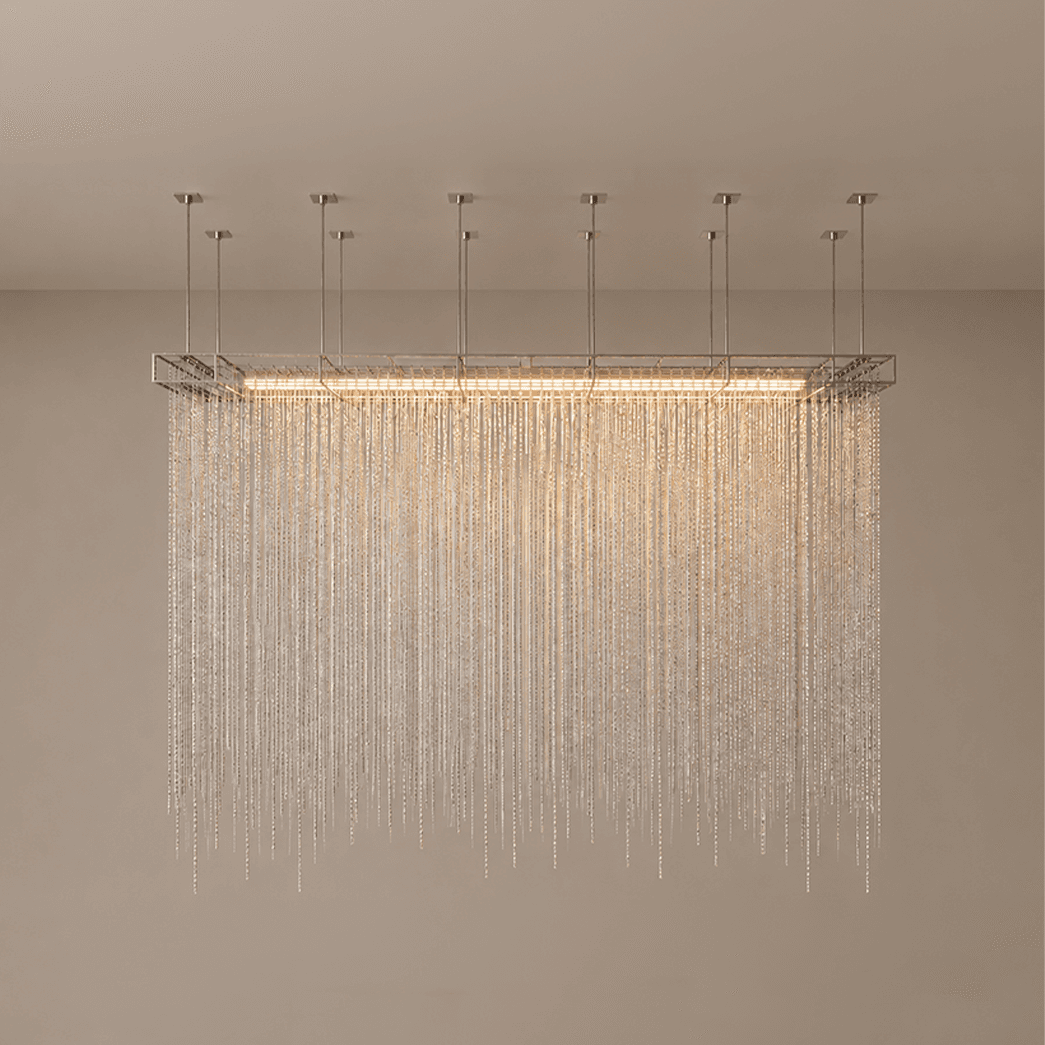
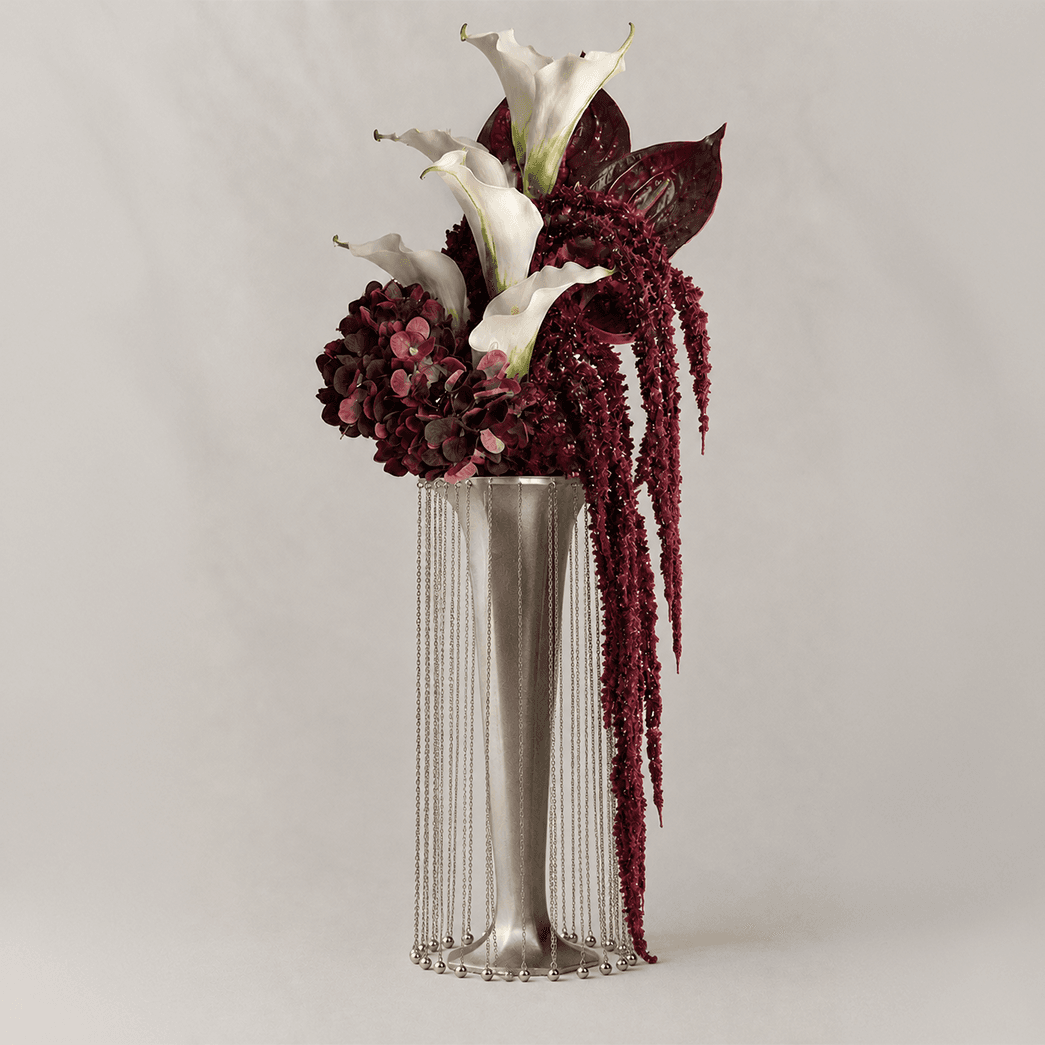
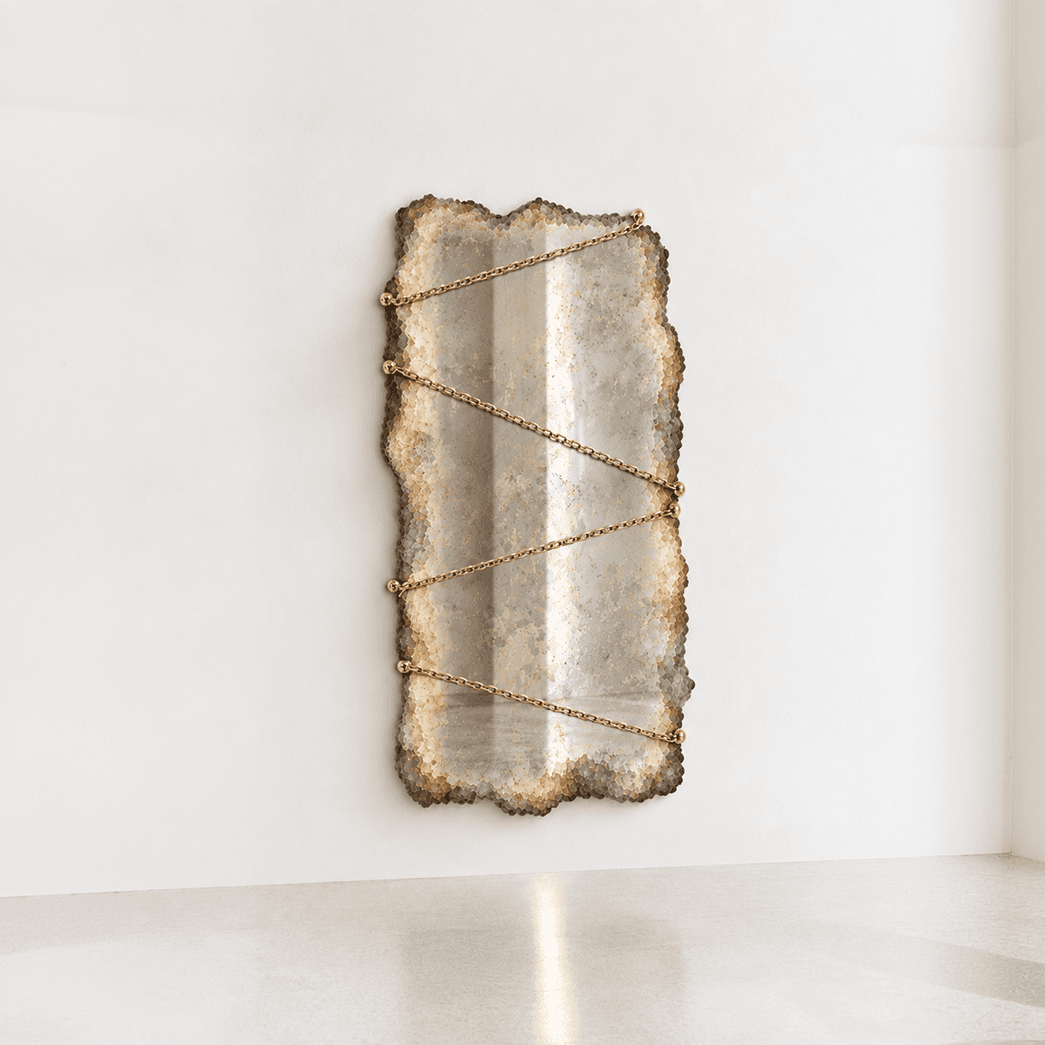
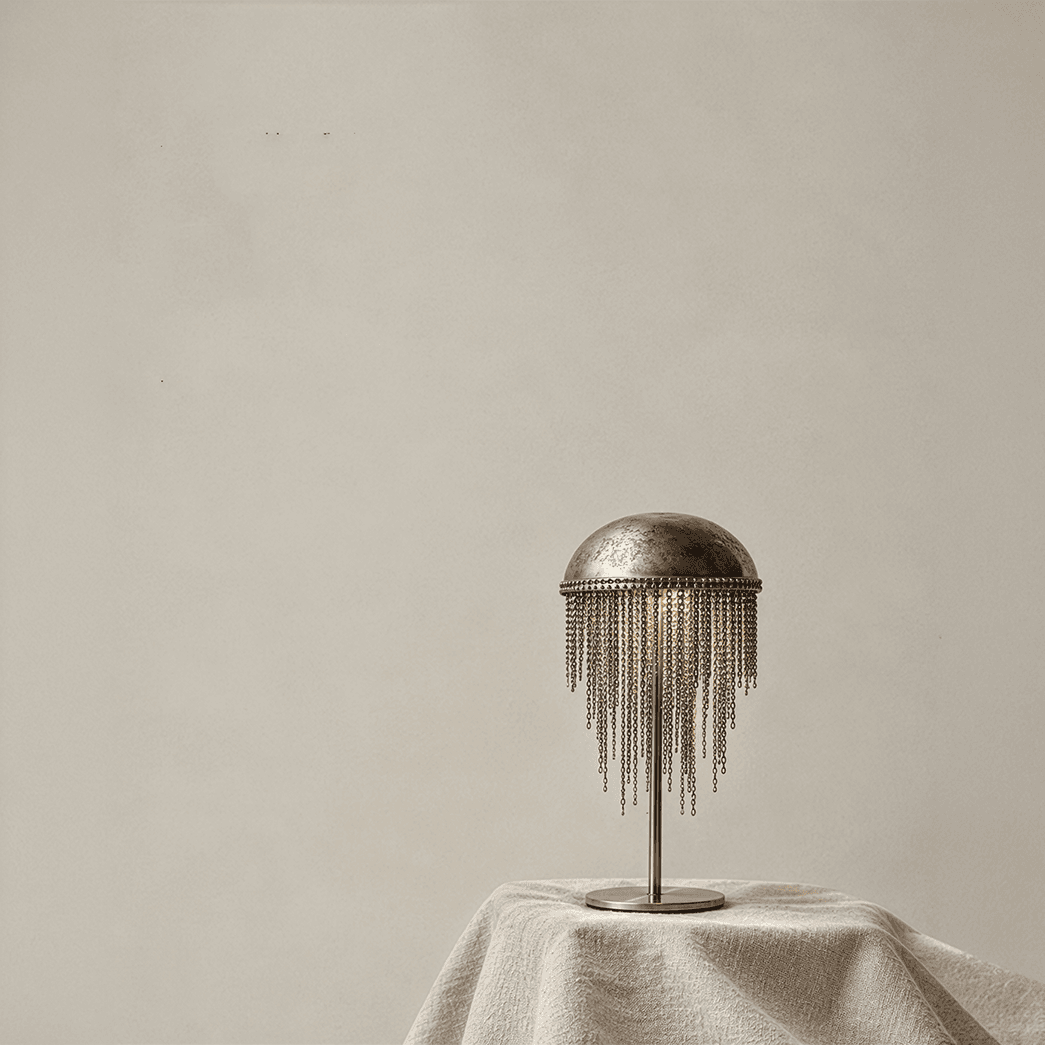
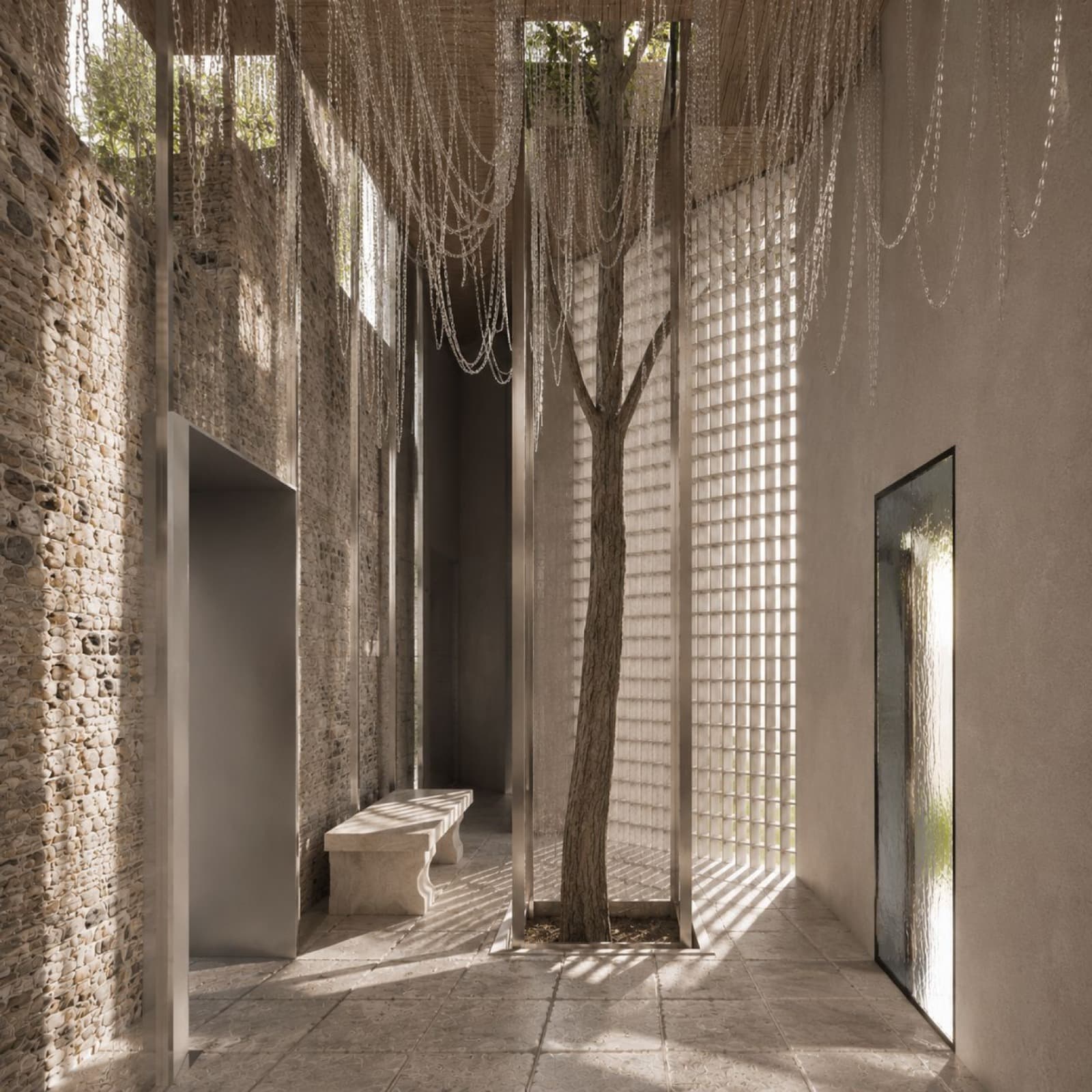
Architecture is thus activated by the body and by natural elements. The curtains of metal chains react to passage: each crossing sets the chains in motion and produces a light vibration. Movement then becomes a sonic experience, where the body leaves a temporary trace in the space.
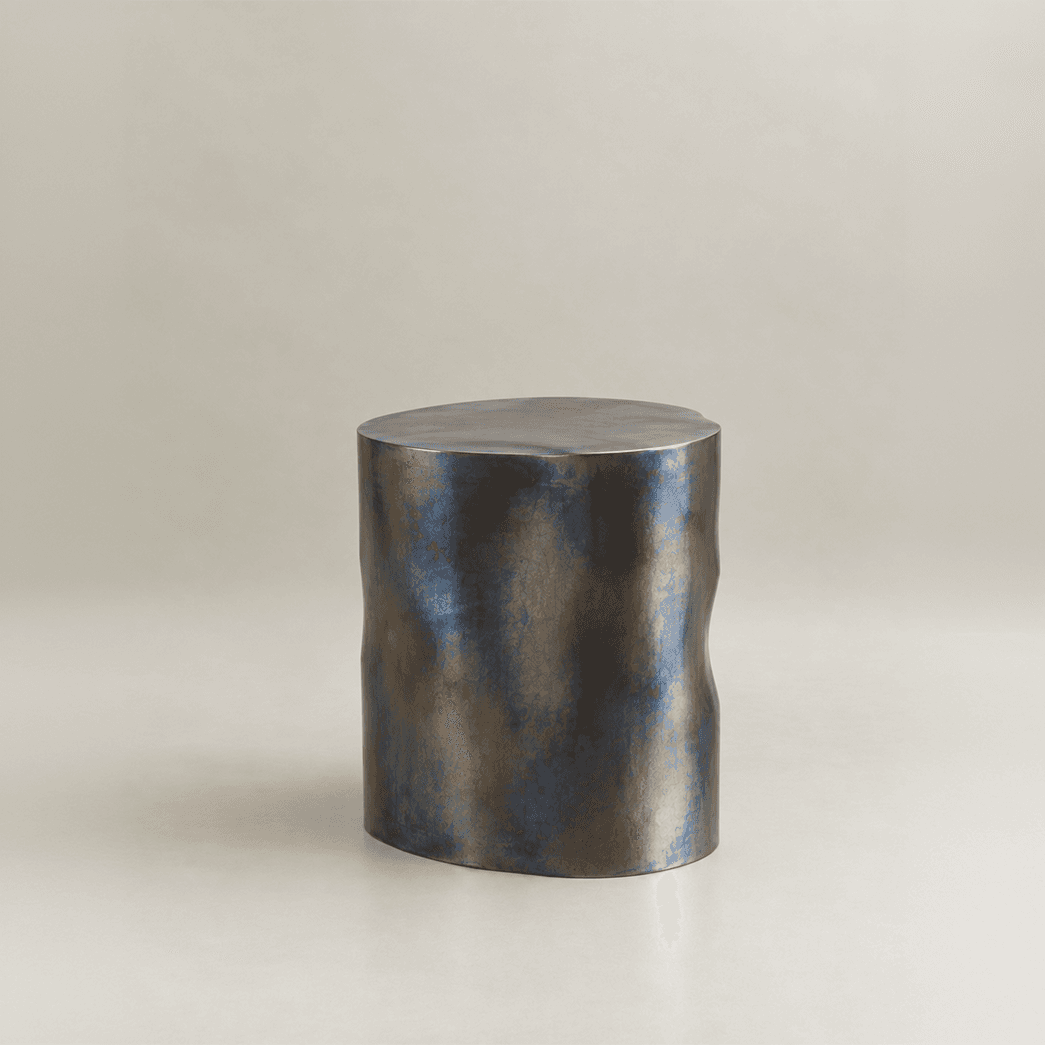
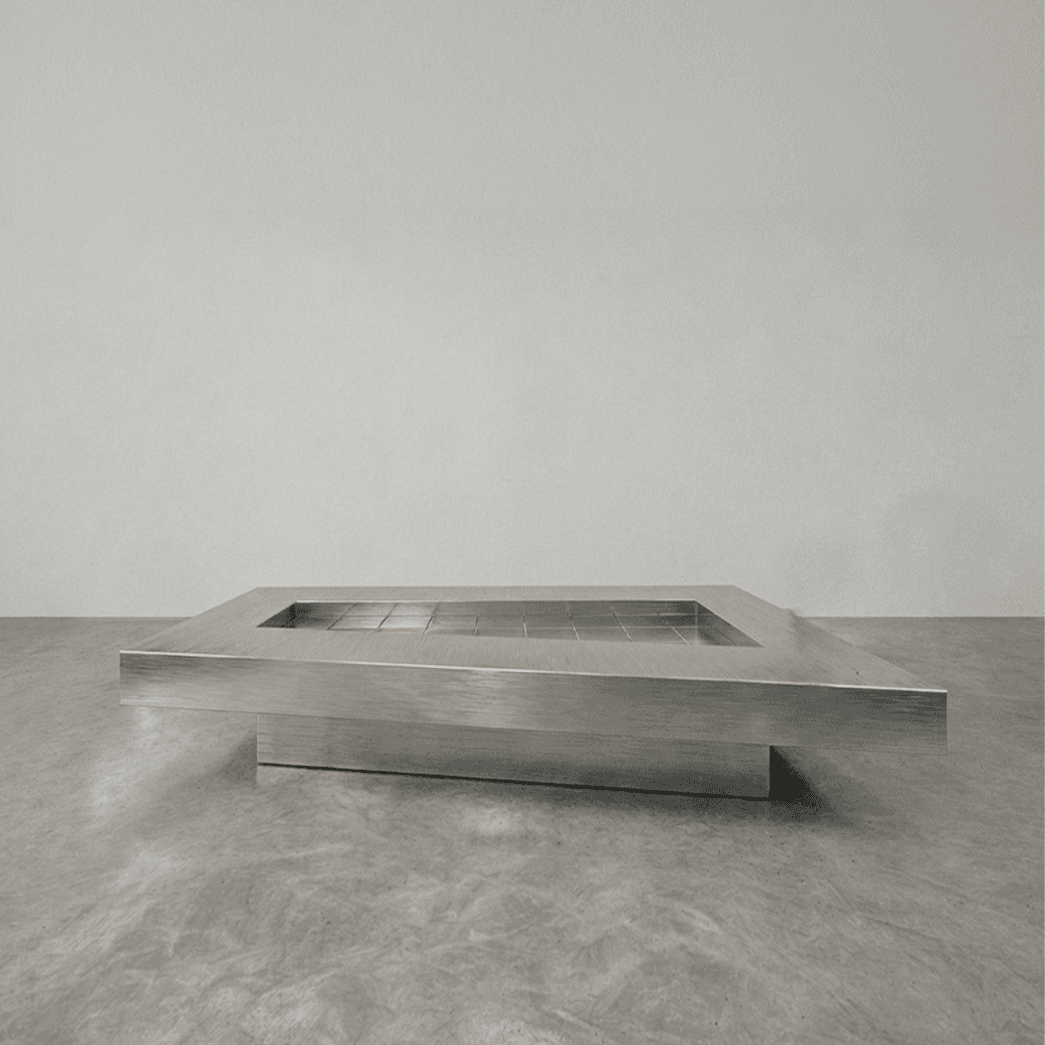
At the centre of the project, the singing table extends this relationship between movement, material and time. Fed by a drip system using recovered rainwater, it transforms the regular fall of water into a continuous vibration. Sound is neither broadcast nor artificially controlled: it is born from gravity, material and the passage of time.
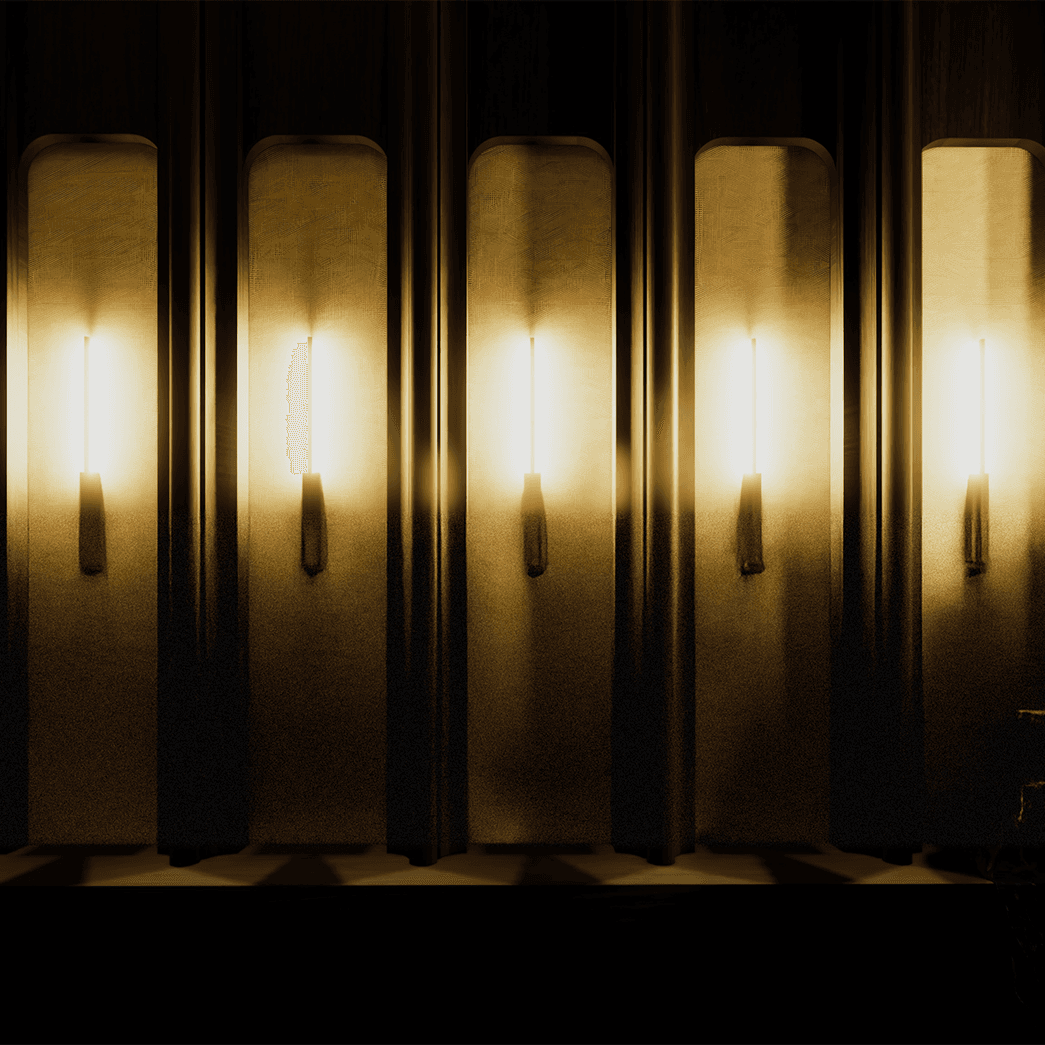
As one advances through the project, the sonic manifestations gradually become more discreet. The place moves from an architecture the body sets in motion to an almost silent atmosphere, where resonances diffuse and recede.
The project thus becomes an architecture of slow time: a place where one comes not only to consume, circulate or produce, but to experience another way of inhabiting.
Credits
Design — Sara-Lou Picaud